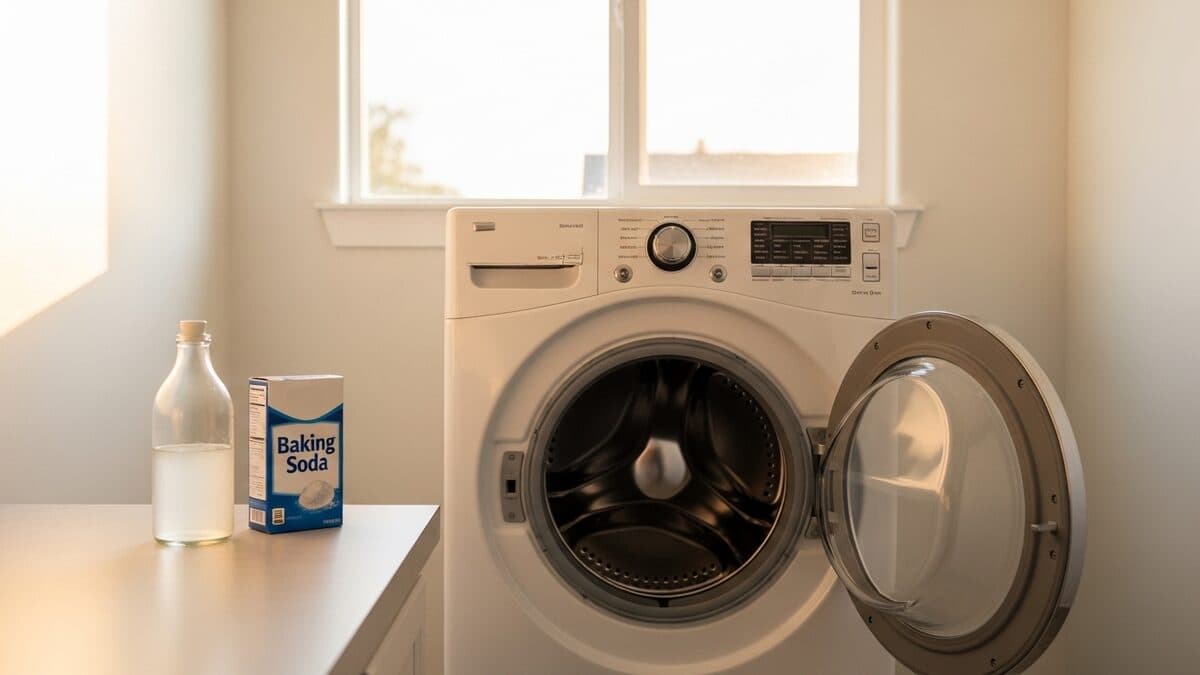
Washing Machine Smells in Summer Are Worse Than You Think
Washing machine smells in summer intensify dramatically — and in Sacramento, where June temperatures already push past 100°F, the problem compounds faster than most homeowners expect. Heat is the accelerant. The warm, damp interior of a closed washing machine drum creates near-perfect conditions for mold and mildew growth, and according to the EPA, mold can begin developing on damp surfaces within 24 to 48 hours. In summer, that window shrinks because ambient temperatures inside an enclosed laundry room can stay elevated all day and night.
This is not a quirk or a minor inconvenience. The sweat-soaked gym clothes, sports uniforms, and work clothes that pile up during Sacramento summers introduce extra moisture and organic material into your drum every single load. The bacteria feeding on that material can double in population within hours at elevated temperatures. If you've noticed your washer smelling worse since the weather turned hot, you are not imagining it.
What's Actually Causing the Smell
Three specific locations inside your washing machine are responsible for most odors: the rubber door gasket, the detergent drawer, and the drain pump filter.
Door gasket: On front-load washers, the rubber gasket that seals the door traps lint, hair, and residual water after every cycle. Mold colonies establish themselves in the folds of that gasket quickly. In summer, what would normally take weeks to become a visible problem can appear within days.
Detergent drawer: Residual detergent and fabric softener accumulate in the drawer's internal channels. That film feeds mold and produces a sour or musty odor that gets pulled into the drum during your next wash.
Drain pump filter: Standing water trapped in a clogged or partially clogged drain filter creates a hospitable environment for sulfur-producing bacteria. This is the source of rotten-egg odors specifically — and it's a problem cleaning the drum alone will not fix.
Top-load washers are not immune. The agitator post, drum rim, and fabric softener dispenser can harbor the same mold colonies, especially if the lid stays closed after every load.
How to Diagnose Which Problem You Have
Smell the drum directly, then check the gasket folds with a flashlight before you start cleaning.
- Musty or mildew smell — points to mold in the gasket or drum. Pull back the gasket folds and look for black or gray discoloration.
- Sour smell — usually the detergent drawer and drum interior. Pull the drawer all the way out and inspect the housing behind it.
- Rotten-egg smell — signals sulfur bacteria in standing water. Locate the drain pump filter (typically behind a small access panel at the front base of the machine), unscrew it carefully over a towel, and inspect for dark sludge or trapped water.
Knowing which odor you have tells you exactly where to focus your cleaning effort.
The Step-by-Step Fix
Start with the drum and work outward.
- Hot vinegar cycle: Pour two cups of white vinegar directly into the drum. Run the hottest available cycle at the highest water level. This breaks down soap scum and kills surface mold.
- Baking soda cycle: Immediately follow with half a cup of baking soda in the drum. Run another hot cycle. The combination neutralizes odors that vinegar alone doesn't fully eliminate.
- Scrub the gasket: Mix a mildew-resistant cleaner or a diluted bleach solution (one tablespoon bleach per quart of water). Use an old toothbrush to scrub every fold of the door gasket. Wipe it completely dry when finished.
- Clean the detergent drawer: Remove the drawer fully, soak it in hot water and dish soap for 15 minutes, scrub the housing cavity with a small brush, rinse, and dry before replacing.
- Clear the drain filter: Unscrew the drain pump filter, clean out any debris and sludge, rinse thoroughly, and reinstall securely.
- Leave the door ajar: After every future load, leave the door or lid open at least a few inches to allow the drum to dry out. This single habit prevents the majority of recurring odors.
Most odors clear up within two to three cleaning cycles completed back to back. If you are a homeowner in Citrus Heights, Carmichael, or Rancho Cordova running a family's worth of laundry through weekly, plan on doing this full cleaning every two to three weeks through September — monthly cleaning is not aggressive enough during Sacramento's hottest months.
Prevent Summer Buildup Going Forward
Consistent habits eliminate the conditions that cause smells before they start.
Use HE (High Efficiency) detergent in the amount the manufacturer specifies — or less. Excess detergent leaves a residue that mold feeds on. Switch to a manufacturer-approved washer cleaner tablet on a set schedule, such as the first Sunday of every month. In Roseville and Fair Oaks, where hard water can contribute to mineral scale that traps bacteria, adding a water softener tablet to your monthly cleaning cycle helps.
Never leave wet laundry sitting in the drum. In summer heat, a closed drum full of damp clothes can develop a noticeable odor in a few hours.
When to Call a Pro
A persistent smell after a thorough cleaning is a signal that something mechanical needs attention.
If the rotten-egg odor returns within a few days of a complete cleaning — including the drain filter — that can indicate a failing drain pump that is no longer clearing water fully, a cracked drain hose holding a pocket of stagnant water, or a door gasket that has deteriorated enough to harbor mold beneath the surface layer. Scrubbing the visible surface of a compromised gasket does not solve the underlying problem.
A gasket replacement on a front-load washer is a straightforward repair for a technician but difficult to complete correctly as a DIY job because the drum typically needs to be partially disassembled to seat the new gasket properly. A cracked drain hose is a relatively inexpensive part, but diagnosing the exact failure point requires pulling the machine and inspecting the full hose run.
If you're in Sacramento, Gold River, Rocklin, or the surrounding area and your washer odor is returning faster than it should, that's the right time to stop chasing the smell with cleaning cycles and get a professional diagnosis.
PRO MAX HVAC & Appliance Repair serves Sacramento-area homeowners with washer diagnostics and repairs. If your machine keeps smelling bad despite regular cleaning, call us at (916) 234-5925 or book an appointment online and we'll find the source of the problem and fix it correctly.
Need appliance repair in the Sacramento area?
Same-day service, 180-day warranty, all major brands. PRO MAX HVAC & Appliance Repair — Carmichael, CA.