That Stuffy Feeling Isn't Just Spring Allergies
If symptoms worsen indoors with the windows shut, the likely cause is your home's HVAC system — not Sacramento's oak-pollen season. The EPA reports that indoor air can be two to five times more polluted than outdoor air because HVAC systems concentrate and recirculate particulates (EPA: The Inside Story — A Guide to Indoor Air Quality). And sure, Sacramento's pollen season is real. But if you're noticing that your symptoms actually get worse when you're inside with the windows shut, or if certain rooms in your home feel perpetually stale no matter what you do, the problem may not be blowing in from outside.
Your HVAC system circulates the air in your home dozens of times each day. When it's working well, it filters out dust, allergens, and pollutants while keeping humidity and airflow balanced. When something's off — a clogged filter, a dirty blower, leaky ducts, or a neglected system that's been sitting idle all winter — it can actively make your indoor air worse.
Spring is the right moment to pay attention. Before Sacramento's heat sends everyone indoors for the next four months with windows sealed and the AC running full-time, it's worth diagnosing what your air is actually doing.
Warning Signs Your Indoor Air Quality Has a Problem
Six signs reliably flag a Sacramento IAQ problem: persistent stuffiness, thick dust at vents, indoor-only allergy flare-ups, musty odors, uneven room-to-room comfort, and an overdue filter. Any one of them is worth investigating.
Persistent stuffiness in rooms that get decent airflow. If a bedroom or living area always feels heavy and close, even after you've run the system for a while, that's a signal. It could mean restricted airflow from a dirty filter, a partially closed or blocked duct, or a failing blower motor that's not moving enough air through the system.
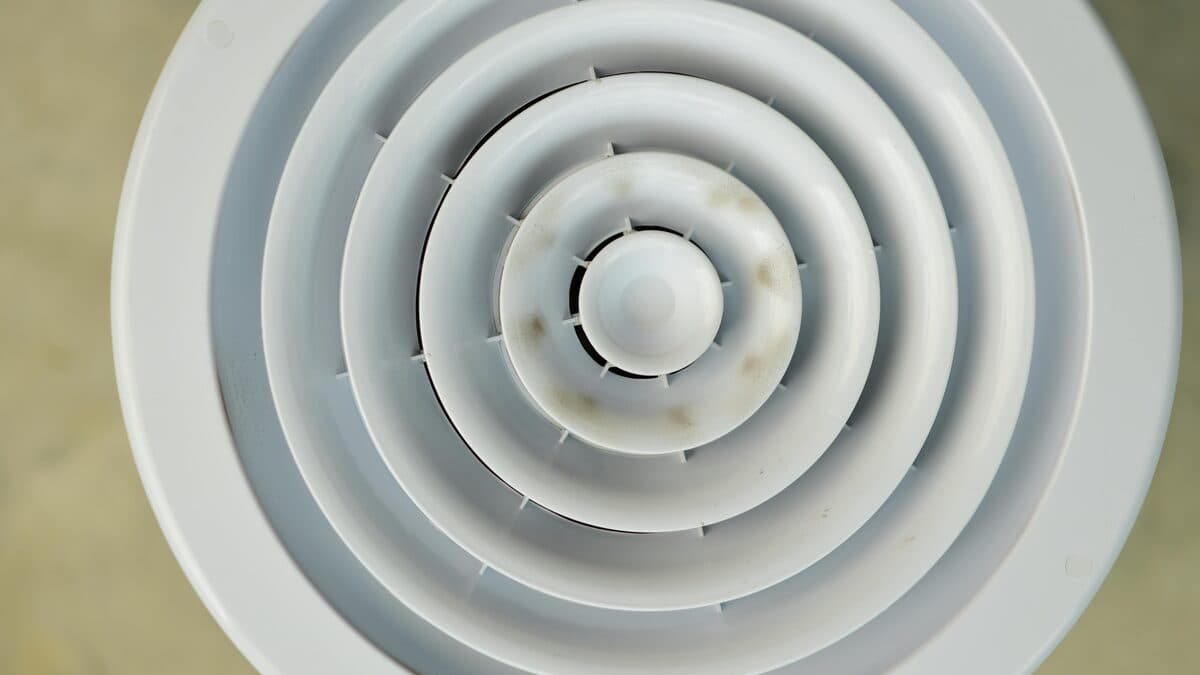
Visible dust on and around your vents. A light layer of dust on vent covers is normal. A thick, grayish buildup — especially the kind that reappears within days of cleaning — suggests your filter is no longer doing its job or that your duct system has accumulated enough debris to be actively shedding particles into your living space.
Worsening allergy or asthma symptoms indoors. If your eyes water or your chest tightens more at home than when you're outside or at work, your HVAC system may be recirculating allergens, mold spores, or fine particles rather than capturing them. This is especially common in homes with older fiberglass filters rated MERV 4 or lower.
Musty or stale odors that don't go away. A musty smell often points toward moisture — either in the ductwork, around the evaporator coil, or in a return air plenum that's accumulated organic debris. In Sacramento's spring climate, where nights are cool and days warm up fast, condensation inside ducts is more common than most homeowners realize.
Uneven comfort between rooms. If one part of your home is significantly stuffier or dustier than another, that asymmetry is worth investigating. Duct leaks can pull in unconditioned air from attics or crawl spaces — air that can carry insulation fibers, dust mites, and outdoor pollutants directly into your living areas.
You can't remember the last time your filter was changed. If the honest answer is "sometime last fall" or "I'm not sure," the filter is almost certainly overdue. A clogged filter doesn't just reduce air quality — it forces your system to work harder, increasing wear and energy costs heading into summer.
What's Actually in That Air
Sacramento homes typically accumulate a predictable mix of pollutants: dust mites, pet dander, pollen pulled in through leaky duct seams, mold spores from any area with moisture exposure, and VOCs from cleaning products, paint, or furnishings. During spring in areas like Fair Oaks, Carmichael, or Rancho Cordova — where mature trees and landscaping are everywhere — outdoor pollen infiltration through a compromised duct system can be significant.
On top of that, homes in Citrus Heights, Roseville, and Rocklin that have been buttoned up through a cool winter often have accumulated particulates that just haven't had anywhere to go. Ventilation matters, and most residential HVAC systems aren't designed to bring in meaningful amounts of fresh outside air unless they're equipped with a dedicated ventilation component.
What to Check Before Calling Anyone
Four checks a homeowner can run today: inspect the filter, feel the supply vents for airflow, measure humidity, and look for visible mold near vents or window seams. Each takes minutes and surfaces the easy fixes before a service call.
- Check your air filter. Pull it out and hold it up to a light source. If you can't see light through it clearly, replace it. For most Sacramento homes, a MERV 8–11 pleated filter strikes the right balance between filtration and airflow.
- Look at your vent covers. Run your hand along the grilles while the system is running. You should feel consistent airflow from supply vents. If a vent feels weak or you notice buildup that looks oily or dark, that's worth a closer look.
- Check humidity levels. Ideal indoor humidity is 30–50%. If you have a hygrometer and readings are consistently above 55%, you may have a moisture issue affecting air quality. If you don't have one, they're inexpensive and genuinely useful to own.
- Look for visible mold near vents, in bathrooms, or around window seams. Even small patches in those areas can indicate broader moisture management issues that your HVAC system may be contributing to.
When to Call a Pro
Call an HVAC technician once a fresh filter fails to fix symptoms, once musty odors persist after cleaning, once ducts have never been sealed or cleaned, or before installing any higher-MERV filter, UV light, media cabinet, or ERV/HRV.
If you've replaced the filter and the stuffiness or symptoms persist, something deeper is going on — likely dirty coils, contaminated ductwork, or an airflow problem that requires diagnostic tools to properly identify.
If you smell mold or notice consistent musty odors even after cleaning, that source needs to be located and addressed. Mold inside ductwork or on evaporator coils won't resolve itself and will keep recirculating through your home every time the system runs.
If your home has never had duct sealing or duct cleaning performed — especially common in older neighborhoods around Sacramento and Gold River — a professional duct inspection can reveal significant leakage that's been compromising both air quality and efficiency for years.
If you're considering an upgrade — a whole-home air purifier, a UV germicidal light for the coil, a media filter cabinet, or an ERV/HRV for fresh air ventilation — those installations require proper system sizing and compatibility checks that a qualified technician should evaluate.
Upgrading from a basic filter to a higher-MERV option also isn't always straightforward. A MERV 13 filter on a system designed for low static pressure can actually restrict airflow and cause more problems than it solves.
Get Your Air Right Before Summer Locks You In
April is the best window Sacramento homeowners have to address indoor air quality before the heat arrives and everyone shuts the house tight. Once temperatures climb into the 90s in May and June, your HVAC system becomes the only air you're breathing for months at a time. What's in it matters.
If you're noticing any of the signs above — stuffiness, dust, allergy symptoms, odd smells, or rooms that just never feel quite right — PRO MAX HVAC & Appliance Repair can help identify what's actually happening and recommend the right fix for your specific system and home.
Call us at (916) 234-5925 or book an appointment online at our contact page. We serve homeowners throughout Sacramento, Carmichael, Citrus Heights, Roseville, Rancho Cordova, Fair Oaks, Gold River, and Rocklin, and we'd rather help you get ahead of this now than troubleshoot it in the middle of a heat wave.
Need appliance repair in the Sacramento area?
Same-day service, 180-day warranty, all major brands. PRO MAX HVAC & Appliance Repair — Carmichael, CA.