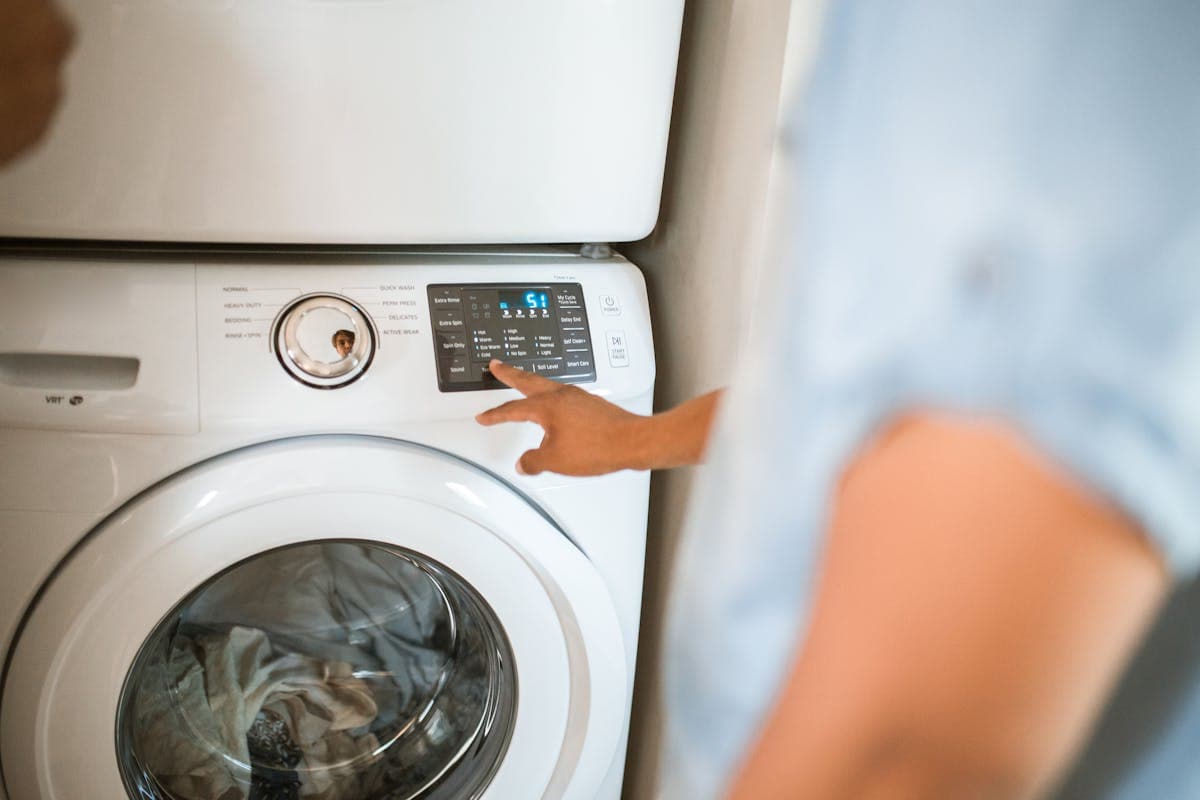
Spring is the right window to deep-clean a washer and dryer in Sacramento because it happens before June–August laundry volume spikes and before summer heat compounds the risk of a clogged dryer vent. Spring temperatures are still tolerable, summer hasn't shown up yet, and your washer and dryer are about to get put through their paces. Between sports seasons wrapping up, kids finishing school, and outdoor activities ramping up, laundry volume in Sacramento-area homes tends to spike hard from June through August.
The problem? Most homeowners in Carmichael, Roseville, Folsom, and across the Sacramento region don't think about their laundry appliances until something goes wrong. And when your dryer stops heating or your washer starts smelling like a locker room in July, it's never convenient.
This post walks you through exactly how to deep clean both your washer and dryer this spring — before the heat hits.
Why Spring Is the Right Time to Do This
Clogged dryer vents are a documented fire risk — the U.S. Fire Administration tracks roughly 2,900 residential clothes-dryer fires per year, with failure to clean lint as the top cause (U.S. Fire Administration). Sacramento summers mean weeks of 100°F+ days; households run harder, laundry volume climbs, and the machines run more cycles per week than at any other point in the year.
Running dirty, poorly maintained appliances under that kind of load accelerates wear and leads to breakdowns at the worst possible moment. A dryer vent clogged with lint becomes a legitimate fire hazard when the machine is running daily in a hot garage or laundry room. Get ahead of this in April or early May to be set for the season.
Deep Cleaning Your Washing Machine
A full washer deep-clean takes under an hour and covers the door gasket, a hot cleaning cycle, the detergent drawer, the drain-pump filter, and the water inlet hoses. Handle front- and top-loaders separately because the failure points differ.
Front-Load Washers
Mold and mildew buildup in the rubber door gasket is the defining front-load failure mode — and the source of the musty smell on "clean" clothes. That musty smell your clothes occasionally come out with? That's where it's coming from.
Here's what to do:
- Clean the door gasket thoroughly. Pull back the rubber seal and wipe out any gunk, moisture, or visible mold using a mixture of equal parts white vinegar and water. A toothbrush works well for the tight folds.
- Run a hot cleaning cycle. Use a washing machine cleaning tablet (Affresh is a popular option) or add two cups of white vinegar directly to the drum. Run on the hottest, longest cycle available.
- Clean the detergent drawer. Pull it out completely if you can. Soap residue builds up fast and becomes a mold breeding ground. Soak it in warm water and scrub clean.
- Check the drain pump filter. On most front-loaders, this is a small access panel near the bottom front of the machine. Unscrew the cap slowly over a towel — water will come out. Remove lint, coins, hair ties, and anything else that's accumulated.
- Leave the door ajar after every load. This is ongoing advice, not a one-time fix. Air circulation prevents the moisture buildup that causes mold.
Top-Load Washers
Top-loaders tolerate mild neglect better than front-loaders but still need an annual hot cleaning cycle, an agitator wipe-down, a dispenser clean, and a hose inspection.
- Run a cleaning cycle with a washing machine cleaner or two cups of white vinegar plus half a cup of baking soda on the hottest setting.
- Wipe down the drum, lid interior, and the area under the agitator cap if it's removable.
- Clean the fabric softener dispenser — these get coated in sticky buildup that eventually blocks proper dispensing.
- Check the hoses at the back of the machine. Look for cracks, bulging, or mineral deposits near the connections. Rubber supply hoses have a limited lifespan and are worth replacing with braided stainless steel if yours are original.
Deep Cleaning Your Dryer
A dryer deep-clean addresses four things in order: the lint trap housing (not just the screen), the full vent duct, the drum interior, and the moisture-sensor bars. Each layer catches buildup the previous one misses.
Clean the lint trap — beyond the screen. Most people pull out the screen and remove the visible lint. That's good, but not enough. Use a long, flexible dryer lint brush to clean inside the lint trap housing — lint builds up in the slot itself and restricts airflow significantly.
Clean the dryer vent duct. This is the most important step and the one most homeowners skip. The duct runs from the back of your dryer through the wall or ceiling to an exterior vent. Over time, lint accumulates inside. Restricted airflow means the dryer runs longer and hotter to dry the same load — that's wasted energy, premature wear, and a real fire risk.
You can buy a dryer vent cleaning kit at most hardware stores — it's a flexible rod with a brush head that attaches to a drill. Disconnect the duct from the back of your dryer, run the brush through from both ends, and vacuum out what comes loose. Then go outside and make sure the exterior vent flap opens freely and isn't blocked by debris or a bird nest (common in Fair Oaks and Citrus Heights neighborhoods with older homes).
Wipe down the drum interior. Use a damp cloth with a small amount of dish soap, then run the dryer empty for 10–15 minutes to dry it out.
Check the moisture sensor bars. Most modern dryers have two small metal strips inside the drum that detect when clothes are dry. If these get coated with dryer sheet residue, the dryer may shut off too early or run too long. Wipe them down with a cotton ball and a little rubbing alcohol.
When to Call a Pro
Call a technician when a dryer needs two cycles to dry a single load after the vent is clean, when a washer makes grinding or banging noises in spin, when water pools under the washer, when the dryer drum will not turn, or when either machine smells of burning.
- Your dryer takes more than one cycle to fully dry a load — even after cleaning the vent. This often points to a failing heating element or restricted exhaust that needs hands-on diagnosis.
- Your washer is making grinding, banging, or squealing noises during the spin cycle. Worn bearings, a failing drum spider, or a broken drive coupler won't fix themselves.
- You see water pooling under your washer — this could be a worn door seal, a cracked hose, or a failing pump.
- Your dryer drum isn't turning or is turning slowly. The drive belt is usually the culprit, but verifying and replacing it safely requires disassembly.
- You smell burning from either appliance. Stop using it immediately and get it checked.
Homeowners in Rancho Cordova, Elk Grove, and throughout the Sacramento area often push through warning signs because the appliance is "still kind of working." That usually turns a $150 repair into a $400 one — or a full replacement.
Get Your Laundry Room Ready for Summer
Three to four hours of spring cleaning prevents the July breakdown: clean the gaskets, clear the vent, and check the hoses — in that order. Spring cleaning now prevents a mid-July breakdown when the last thing you want to deal with is a broken dryer full of damp workout clothes.
If you run into a problem during your cleaning — or something's already been acting up — PRO MAX HVAC & Appliance Repair is ready to help. We serve Carmichael and the greater Sacramento area including Roseville, Folsom, Citrus Heights, and beyond. Give us a call at (916) 234-5925 or visit promaxhvac.com to schedule a service appointment. We'll get it sorted before summer arrives.
Need appliance repair in the Sacramento area?
Same-day service, 180-day warranty, all major brands. PRO MAX HVAC & Appliance Repair — Carmichael, CA.