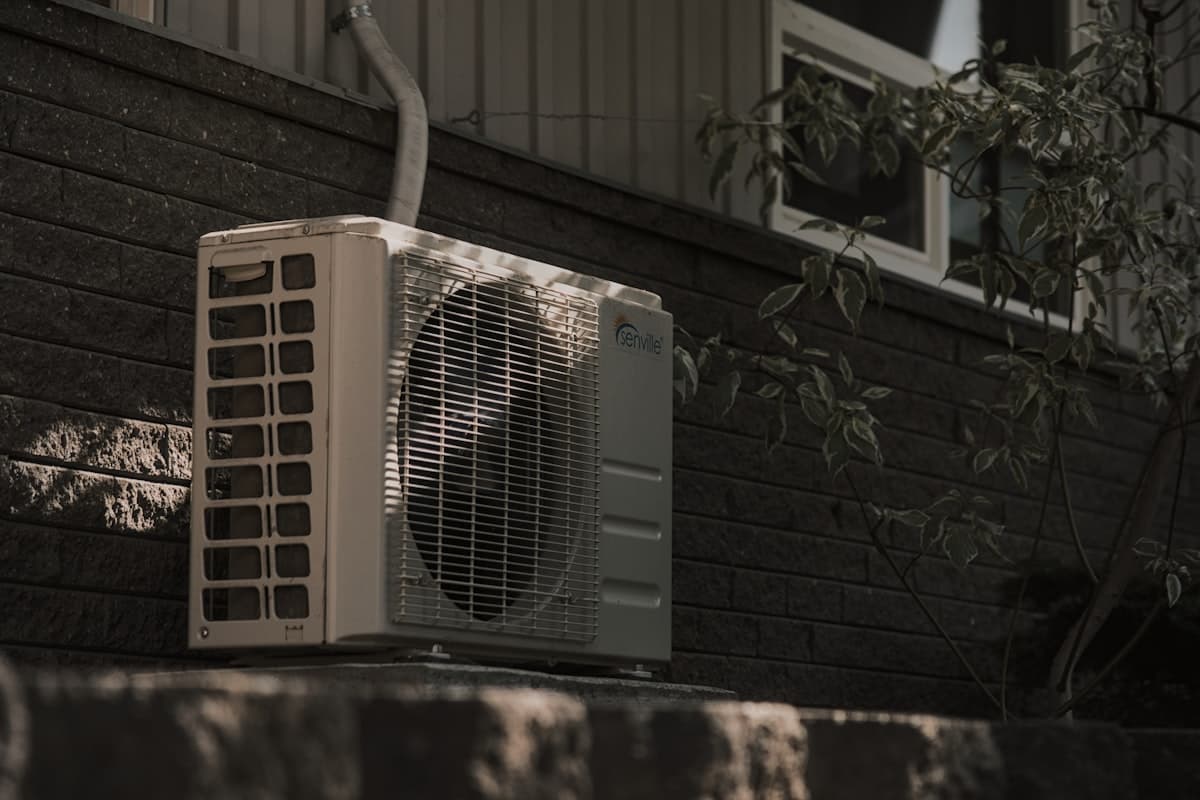
When a window air conditioner or portable AC stops cooling in the middle of a Sacramento summer — when daytime highs are hitting 105°F and the house is gaining heat faster than it can be removed — it qualifies as a genuine household emergency.
Note: This guide covers window air conditioners and portable AC units, which fall within residential appliance repair territory. Central HVAC systems and mini-split systems have different service requirements and should be handled by a licensed HVAC contractor.
Window and portable AC units are common throughout the Sacramento region — especially in older homes in Sacramento, Carmichael, Citrus Heights, and Fair Oaks that were built before central air became standard, and in rental properties where central AC installation isn't practical. When these units fail in July, the consequences are immediate.
Here are the most common causes and what to do about each one.
1. Check the Mode and Temperature Settings
Confirm the unit is in "cool" mode and set at least 2°F below the current room temperature before doing anything else. A unit stuck in fan-only mode is the single most common cause of a "my AC stopped working" service call. Some units have a "fan only" mode that circulates air without activating the compressor. If someone switched it to fan-only during a cooler evening and forgot to switch it back, the unit blows air but won't cool it. It sounds simple, but it is responsible for a significant percentage of service calls.
Also confirm the temperature is set low enough to trigger cooling — if the room is 78°F and the thermostat is set to 76°F, the unit may not run the compressor at full capacity.
2. Clean or Replace the Air Filter
A clogged air filter is the most common reason a window or portable AC loses cooling efficiency — ENERGY STAR notes that replacing a dirty filter can lower an AC's energy use by 5% to 15% (see ENERGY STAR — Heat & Cool Efficiently). Air conditioners cool air by passing it over the evaporator coils. If the filter is so clogged that airflow is severely restricted, not enough warm air reaches the coils — the unit can't exchange heat effectively, and cooling output drops dramatically.
In Sacramento's dusty summers, filters clog faster than the manufacturer's recommended cleaning intervals suggest. Check your filter every 2–3 weeks during heavy use months, and clean it under running water if it's washable (most window AC filters are).
A clean filter costs nothing. This takes five minutes and is always the first step.
3. Frozen Evaporator Coils
Iced-over evaporator coils are the classic "fan works but no cold air" failure: ice blocks airflow through the coil, preventing heat transfer, so the fan blows room-temperature air instead. If the evaporator coils ice over, airflow through the unit drops to near zero and the AC stops cooling effectively. This is a counterintuitive failure: more ice, less cooling.
Why it happens: Restricted airflow (clogged filter is the most common cause), a refrigerant problem, or a malfunctioning blower fan can all allow ice to form on the evaporator coils.
What to do: Turn the unit off (or set to "fan only" with no cooling) and let the ice thaw completely — typically 1–4 hours. Then clean the filter thoroughly and run the unit again on cool. If it ices over again quickly, there's an underlying problem (refrigerant level, blower fan, or airflow restriction) that requires professional service.
4. Clean the Condenser Coils
Clogged exterior condenser coils stop a window unit from shedding heat, which can cut cooling output in half on a 100°F day. Window AC units have two sets of coils: the evaporator (inside, facing the room) and the condenser (outside, facing the exterior). The condenser expels the heat removed from the room. If condenser coils are clogged with dirt, dust, or cottonwood seeds — common on the outside-facing portion of window units — the unit cannot shed heat effectively and cooling performance drops.
Carefully clean the exterior-facing fins of the condenser with a soft brush and a gentle spray of water (with the unit unplugged). Be careful not to bend the fins, as damaged fins further restrict airflow. Many homeowners are surprised at how much debris accumulates on the exterior coils each season.
5. Listen for the Compressor
The compressor is the heart of any air conditioning system — it's the component that actually circulates and pressurizes the refrigerant to create cooling. When the AC is running in cool mode, you should be able to hear (and feel) the compressor engaging — it's louder than the fan alone and produces a slight vibration.
If you can hear the fan running but cannot hear the compressor, or if the unit makes a brief click and the compressor starts but immediately stops, you have a compressor or electrical issue. A failed start capacitor, a bad overload protector, or a failed compressor itself can all produce these symptoms. These require professional diagnosis.
6. Refrigerant Issues
Window and portable AC units are sealed systems — the refrigerant doesn't get used up under normal operation. If a unit is low on refrigerant, it has a leak somewhere in the sealed system. Signs include reduced cooling that gets progressively worse, ice on the lines or coils, or a faint hissing sound.
Refrigerant handling requires EPA Section 608 certification (see the EPA Section 608 Technician Certification program) and specialized equipment. This is not a DIY repair. For older or inexpensive window units, the repair cost (finding the leak, repairing it, recharging the system) often exceeds the replacement cost of the unit itself — making this the natural decision point for whether to repair or replace.
7. Check the Start Capacitor
The start capacitor provides the electrical surge needed to start the compressor and fan motor. A failed capacitor typically produces one of two symptoms: the unit hums but the fan won't spin, or the fan spins but the compressor never engages. Capacitors can fail from age or from the voltage stress of repeatedly starting in high-heat conditions — which is exactly the environment Sacramento summers create.
Capacitor replacement is an inexpensive repair (the part itself is typically $15–$40) but does require handling high-voltage components. This is best left to a technician unless you're comfortable with electrical work.
When to Repair vs. Replace
Window AC units have a typical lifespan of 8–12 years. For units more than 8 years old with a compressor or sealed system failure, replacement often makes more economic and practical sense than repair. Newer units are also significantly more energy-efficient — a new Energy Star–rated window unit can use 10–15% less electricity than older models, helping lower utility bills.
For newer units or units with straightforward issues (capacitor, fan motor, cleaning), professional repair extends the life of a unit that still has years of useful service ahead.
Staying Cool in a Sacramento Summer
Sacramento's climate is unambiguous — summers are long, hot, and often exceed 100°F for days or weeks at a time. A window or portable AC that is working at reduced capacity is more than a comfort issue; for elderly residents or households with young children, it is a significant health concern.
If you've worked through the steps above and still don't have cold air, give PRO MAX a call. We service window and portable AC units across the Sacramento region, seven days a week, at (916) 234-5925.
Related Questions
- Why is my AC not blowing cold air? — Central and split-system AC troubleshooting
- Why is my AC frozen up? — Diagnosing frozen coils and what to do
- AC running but not cooling the house enough? — When the system runs but can't beat the heat
- How much does AC repair cost in Sacramento? — Typical repair costs by problem type
- Should I repair or replace my AC? — How to make the repair-vs-replace decision
Need appliance repair in the Sacramento area?
Same-day service, 180-day warranty, all major brands. PRO MAX HVAC & Appliance Repair — Carmichael, CA.